
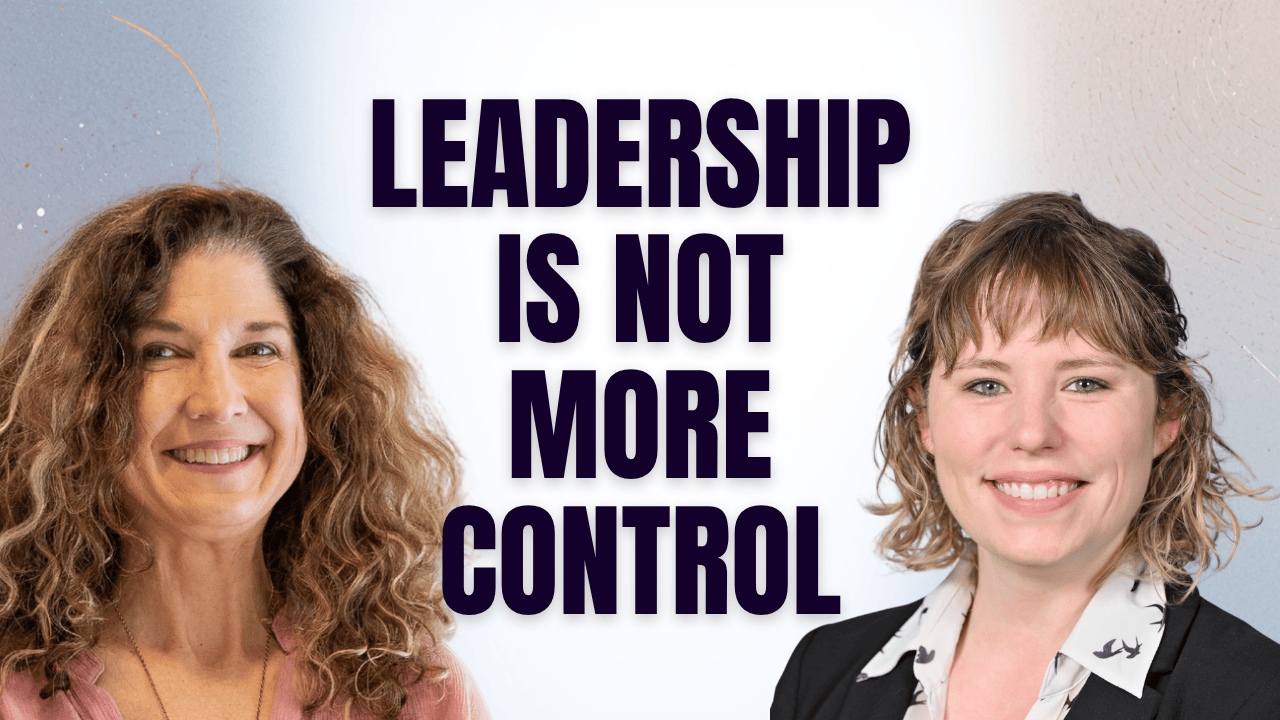
The Difference Between a Therapist and a Clinical Leader
Badass Therapists Building Practices That Thrive #182 The Difference Between a Therapist and a Clinical Leader
The Moment You Realize You’re Not Just a Clinician
There is a version of being a therapist where you do excellent work, help your clients, and go home. Then there is another version, where you become the person others turn to for answers, interpretation, and clarity on what the rules actually say. In my conversation with Dr. Ashley Stephens Durbin, we kept coming back to this moment, the point where clinicians realize they are stepping into something bigger.
Ashley said it clearly. Most of us will eventually become more than we planned, whether that is a business owner, a supervisor, or a leader in our organization. The shift is not always intentional, but it is inevitable. Clinical leadership in supervision is not something you inherit. It is something you build, often before you feel ready.

Why Clinical Leadership in Supervision Feels So Heavy
Most clinicians feel the weight of supervision before they can explain it. The word that shows up quickly is liability. When you step into supervision, your decisions carry more consequence, and your words have a wider impact than they did in the therapy room.
Ashley pointed out something I see every day. We are trained to reduce power in the therapy room, to level the relationship as much as possible. Supervision requires the opposite. You must hold authority and use it appropriately. That tension alone is enough to make the role feel overwhelming if you are not prepared for it.
Leadership Is Not Just Being a Good Interviewer
Some clinicians believe that choosing the “right” supervisee will solve most problems. If they can screen well, they assume everything else will fall into place. That belief is understandable, but it misses what actually happens after supervision begins.
As Ashley and I discussed, you are interviewing professional conversationalists. They know how to show up well. Leadership begins after the interview. Clinical leadership in supervision requires systems, consistency, and the ability to respond when things do not go as expected.
The Rule Book Is Not Optional
One of the clearest shifts into leadership is how you relate to the rules. Supervisors cannot rely on assumptions or secondhand information. They need to know where to find regulations and how to interpret them in real situations.
Ashley emphasized something I fully agree with. You have to spend time in the rule book. You have to understand how rules are created, how they change, and how they impact your supervisees and your profession. This is not extra work. This is part of the role.
Stop Creating Dependent Supervisees
Supervision is designed to move toward independence, but that does not happen automatically. It requires intentional shifts in how you guide, correct, and support your supervisees over time.
Ashley said it in a way that sticks. If you do not trust that your supervisee “has it” by the end, you have to look at your leadership process. Somewhere along the way, dependence was reinforced instead of independence. Leadership means preparing them to function without you, not keeping them close.
Leadership Is Not More Control
It is easy to assume that leadership means being more directive. More feedback, more correction, more oversight. In reality, effective supervision often requires you to step back.
We talked about how this mirrors clinical work. You already know how to ask questions that promote insight and autonomy. Now you apply those same skills to your supervisees. Leadership is not about proving expertise. It is about developing it in others.
Use Consultation Like a Leader
Strong supervisors do not operate alone. They ask questions, seek consultation, and stay connected to professional communities. This is not a sign of weakness. It is a necessary part of ethical practice.
Ashley highlighted something important here. You will encounter situations you have never seen before. That is normal. Leadership means recognizing when you do not know and actively seeking the information and support you need.
One Leadership Action You Can Take Today
If this feels like a lot, that’s expected. Leadership is not something you master all at once. It develops through small, consistent actions that build over time.
As we shared in the episode, pick one action that reflects leadership. Read your rules. Join a group. Ask a question. Adjust how you respond in supervision [here's a blog post about having tough conversations in supervision]. You do not have to feel ready. You just have to start behaving like the role you are stepping into.
The Legacy You’re Actually Building
As a supervisor, your impact extends beyond your own work. You are shaping clinicians who will go on to serve many others. That ripple effect is part of what makes this role meaningful.
Ashley described it as a kind of legacy. Not just the clients you help directly, but the generations of clinicians you influence. Clinical leadership in supervision is not about control or perfection. It is about responsibility, intention, and the long-term impact of how you lead.
Where This Blog Connects:
- The Supervision Side Hustle: How To Add Income Without Burning Out
- Supervision Is The Smarter Revenue Stream
- What We Wish We Knew Before Becoming Clinical Supervisors
- Why Great Leaders Don't Avoid Tough Conversations
If you are supervising or planning to start, build your structure now. Grab the Supervision Onboarding Checklist to get clear on what to put in place. If you are growing a practice alongside supervision, start with the free guide. And if you want CE-level training to strengthen your systems, explore the Step It Up Membership.
Blog post by Kate Walker, Ph.D., LPC-S, LMFT-S
Creator of Texas’s first fully online 40-Hour LPC/LMFT Supervisor Training Course.
Kate is the founder of Kate Walker Training, where she helps counselors, supervisors, and practice owners build sustainable, ethical, and profitable businesses.
Ready to grow your supervision practice? Check out the Supervisor Training Courses.
This post is a written summary of a podcast episode hosted by Dr. Kate Walker. We use AI to help format the transcript and check for clarity and spelling, turning spoken content into an easier-to-read format.

You may also like

Evaluation Habits That Hold Up with Dr. Ashley Durbin
