


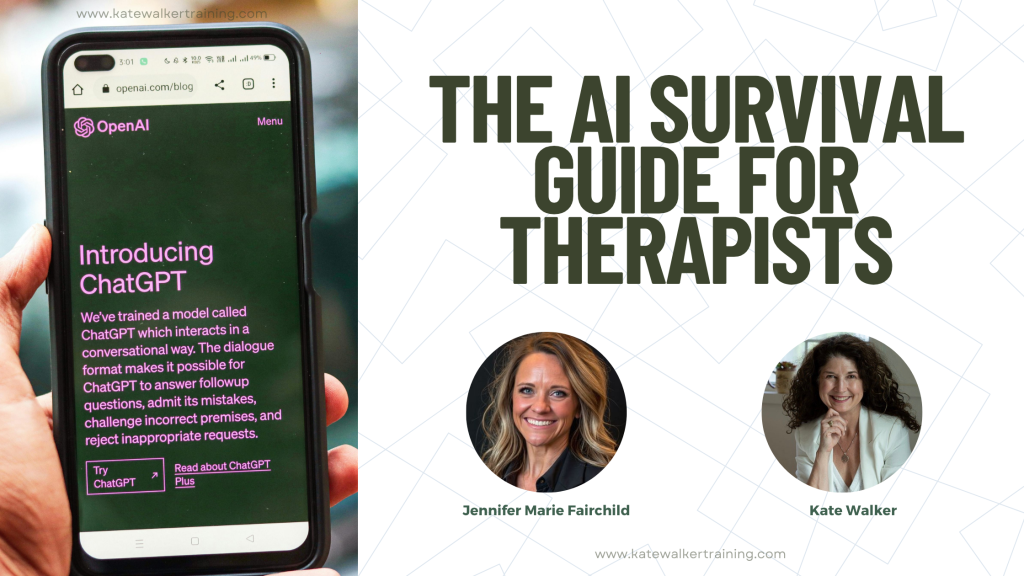
In the world of mental health practice, being proactive rather than reactive can make the difference between a thriving practice and one that constantly struggles. During a recent conversation with Jennifer, we explored ChatGPT's suggestions for therapists' top habits – and while we agreed with some points, we had our own professional insights to add from our years in the field.
Badass Therapists Building Practices That Thrive #148 The Survival Guide ChatGPT Didn't Get Quite Right for Therapists
Preparing for Licensure and Practice Before Graduation
Being proactive is particularly crucial in the mental health profession because of its unique position at the intersection of vocation and business. As therapists, we're blessed to do meaningful work we're passionate about while simultaneously navigating complex business structures, medical models, regulations, and compliance requirements. This balancing act begins earlier than most students realize – ideally during graduate school, not after graduation when panic often sets in about licensing requirements, jurisprudence exams, supervision needs, and practical logistics.
This realization is precisely why we created the Bridge the Gap series – free webinars designed to prepare graduate students for the post-graduation reality. Far too many new graduates are blindsided by unexpected costs like supervision fees (which can extend for years), continuing education requirements, and administrative burdens they never anticipated.


The Importance of a Business Continuity Plan for Therapists
The paperwork requirements alone represent a significant commitment that distinguishes professional therapists from casual “listening ears.” A proper business continuity plan isn't merely a nice-to-have document; it's essential for ethical practice. What happens to your clients if you become incapacitated, experience a personal crisis, or face a natural disaster in your region?
As licensed professionals, we can't simply say, “Sorry, I can't be your therapist right now” without having provisions in place for client care continuity. These plans must protect not only your business interests but also your clients' well-being and the security of their information. This is one area where the casual comparison between therapists and hairdressers falls apart – the confidentiality, ethical, and legal responsibilities are vastly different.
Annual Paperwork Reviews and Compliance for Mental Health Professionals
Annual review of all practice paperwork is another non-negotiable habit for conscientious therapists. Checking that forms, policies, and procedures remain compliant with current regulations should be a scheduled yearly activity, with additional reviews whenever rule changes are announced.
In Texas, for example, new rules were recently introduced in summer 2023 that require careful implementation. Having a systematic approach to staying informed about regulatory changes – whether through professional organization memberships, continuing education, or free webinars – is essential for practice sustainability.
Why Supervision and Consultation Still Matter After Licensure
No matter how experienced you become, supervision and consultation remain valuable throughout your career. The notion that full licensure eliminates the need for peer feedback represents a dangerous overconfidence. While formal supervision requirements may end, building and maintaining professional consultation relationships provides critical perspective, prevents isolation, and ensures ethical practice.
These connections also create a ready resource when complex cases or ethical dilemmas arise, allowing you to reach out to established colleagues rather than scrambling to find guidance during a crisis.
How to Support New Therapists Through Specialized Consultation Groups
For those supervising newer practitioners, specialized consultation groups provide additional support. Topics like insurance billing under supervision, documentation requirements, and regulatory updates require ongoing attention and professional discussion.
Whether you're just starting out or have decades of experience, the habit of proactive practice management – addressing paperwork, continuity planning, seeking consultation, and staying informed about regulatory changes – will serve you, your practice, and most importantly, your clients well. This proactive mindset represents the foundation of sustainable, ethical mental health practice.
Action Items
- Still in grad school or newly licensed? Don’t wait until you're scrambling to find a supervisor or navigate confusing paperwork. Our free Bridge the Gap webinar series helps you tackle licensing, supervision costs, and business setup before the panic sets in. Register for the next free session here
- Ready to upgrade your private practice systems? Grab our great resource here.
Blog post by Kate Walker, Ph.D., LPC-S, LMFT-S, creator of the first completely online 40-hour LPC/LMFT supervisor training in Texas and author of The Clinical Supervision Survival Guide.