Behind the Therapy License Board: What You Need to Know
If you’ve ever wondered what really happens behind the scenes at the therapy license board, you’re not alone. For most of us in private practice, the licensing process can feel like a black box—you submit your paperwork, wait for a response (or don’t), and cross your fingers that everything goes through.
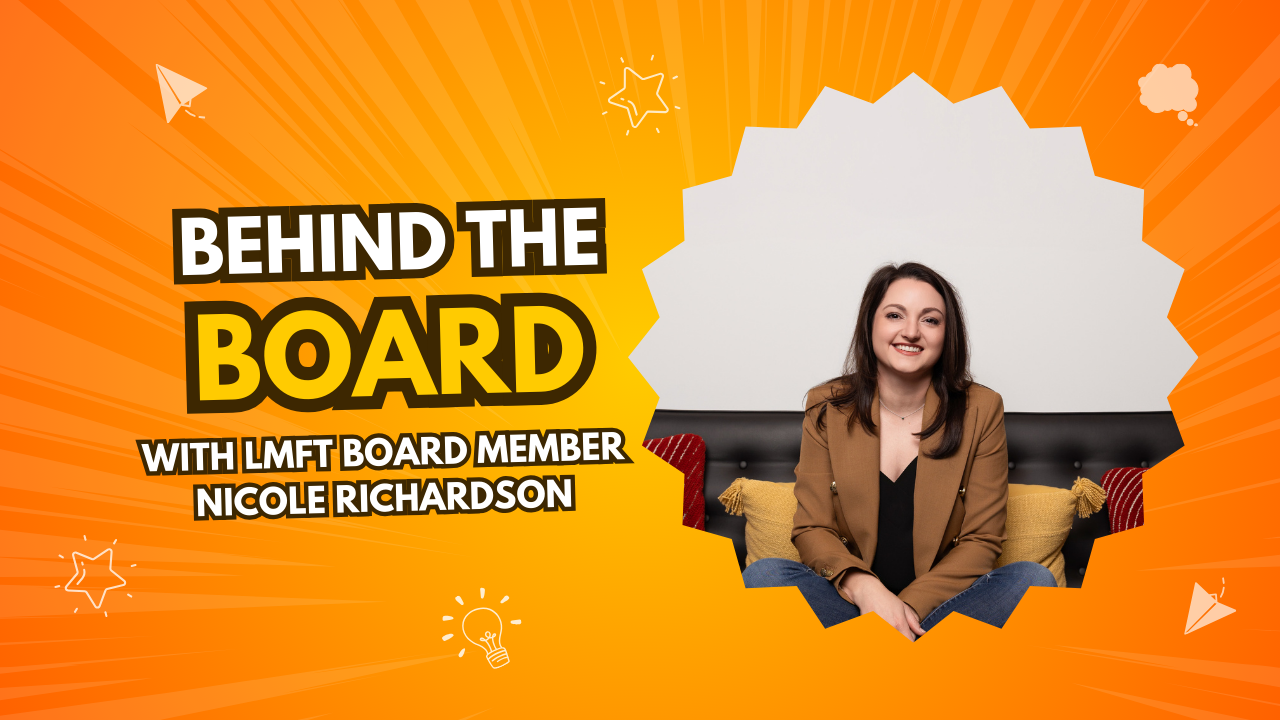
But what if I told you that the people behind the board aren’t just pushing paper or looking for ways to say no? In this episode, I sat down with Nicole Richardson, an LMFT board member here in Texas, who gave us an honest and insightful look into how licensing decisions are made—and how supervisors and clinicians can better navigate the system.
Badass Therapists Building Practices That Thrive #135: Behind the Therapy License Board: What You Need to Know
The Therapy License Process Isn’t Out to Get You
Let’s bust a myth right off the bat: the therapy license board isn’t out to get you. Nicole shared that the board’s staff are actively looking for ways to include people, not exclude them. When an applicant is missing a requirement, staff don’t automatically reject the application—they look for creative ways to help fill the gap.
Maybe that means recommending a training or allowing credit from previous experience. The goal? To get more qualified mental health professionals into the field to serve Texans who desperately need care.
Nicole also explained that outdated statutes sometimes tie the board’s hands. For example, LMFTs are still required to log 200 hours of supervision over 24 months, while LPCs can be licensed in 18 months with fewer supervision hours. That’s not a board preference—it’s written into Texas law. Thankfully, there are efforts underway to create more parity between licenses.

Who Makes the Rules?
It turns out, the board isn’t some faceless entity. It’s made up of a mix of professionals and community members—and yes, some of them aren’t clinicians at all. That’s intentional. Having non-clinicians on the board ensures that community voices are part of the decision-making process. If a proposed rule doesn’t make sense to the average person, they’ll speak up. It’s all about increasing access and accountability.
The staff, meanwhile, includes investigators, attorneys, admin folks, and licensing specialists, all working under the umbrella of BHEC (the Texas Behavioral Health Executive Council).
By consolidating the LPC, LMFT, LCSW, and psychologist boards under BHEC, Texas created a more efficient system with shared resources and better communication.
Making Your Voice Heard
Nicole emphasized something every therapist needs to hear: your emails, public comments, and questions matter. Staff might not reply immediately, but every message is reviewed. Before each quarterly meeting, board members get a document dump that includes public input.
There are more tools than ever to get involved. Quarterly meetings are open to the public, livestreamed via Zoom, and recorded for YouTube. There’s also a new platform, CE Broker, which helps therapists stay organized and audit-ready with their continuing education.
What’s Changing About the Therapy License?
One of the most encouraging parts of our conversation was hearing about the legislative efforts underway to improve the therapy license process:
- Senate Bill 51: Would reduce LMFT supervision hours from 200 to 100.
- House Bill 1537: Would allow Texas to join the Counseling Compact (LPCs only).
- SB 2587 and HB 1597: Would help fix issues accessing federal criminal history data for LPC associates.
Nicole reminded us that these bills need support to move forward. Now is the time to talk to your representatives, especially during Texas legislative sessions, which only occur every other year.
Final Thoughts
Behind every therapy license is a mix of law, advocacy, and people who genuinely care about making the process better. Thanks to leaders like Nicole Richardson, we’re getting more transparency and a clearer path forward.
If you’ve ever felt frustrated by the system, take heart—there are folks on the inside working to make it better. And if you’re ready to grow, whether you’re supervising, expanding, or pursuing full licensure, now is the time to act.
Action Items
- Need help navigating licensure, supervision, or private practice? The Smart Practice Sprint is a four-day experience that helps you get clear on your goals and grow your business—starting with Day One, totally free.
- Got more questions about recent events in the therapy world? Wondering “what is the counseling compact?” <–click here!
Tag:counseling, counseling private practice, licensed professional counselor, LMFT board member, mental health practice, mental health private practice, private practice resources, Private Practice Strategies, therapist LPC, therapy license, therapy license board, therapy license texas, what is the therapy license board