
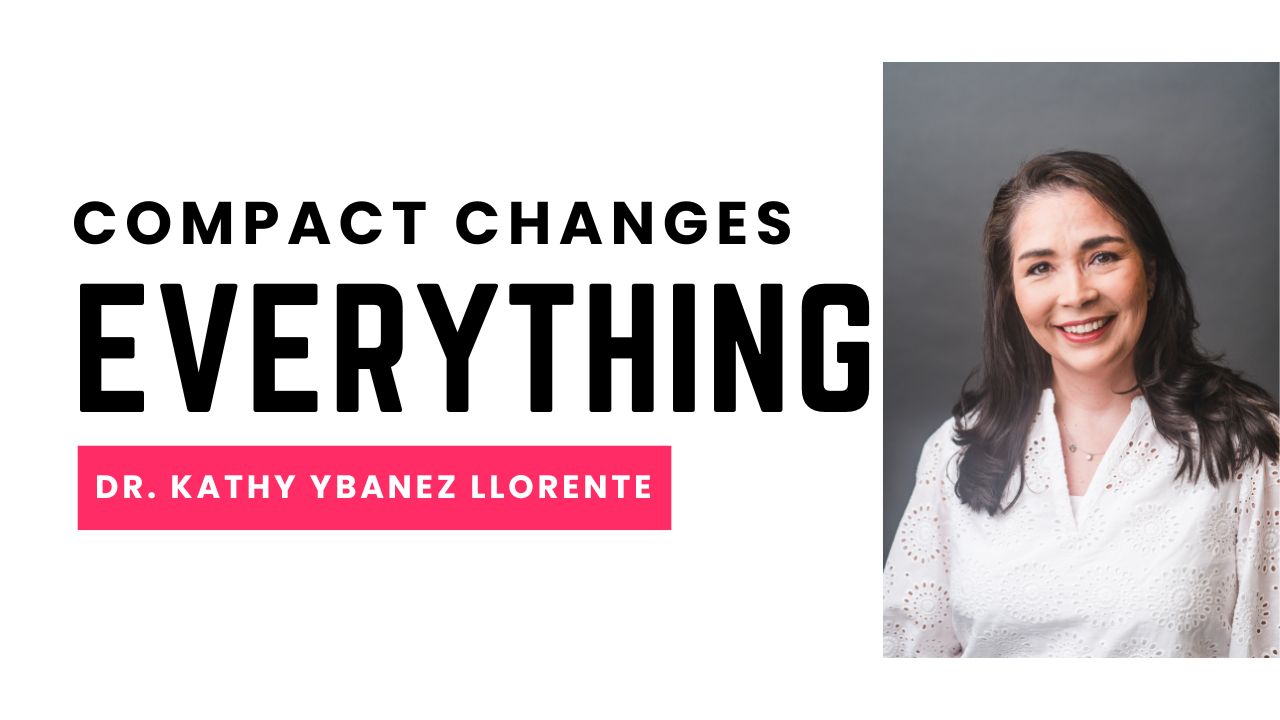
Understanding the Texas Counseling Compact with Dr. Kathy Ybanez-Llorente
Hey there, it’s Dr. Kate Walker, and if you’ve been watching the conversations around licensure portability, then you already know things are heating up in Texas. The Counseling Compact is gaining momentum across the country, and therapists everywhere are asking the big question: What will this mean for me and my practice?
If you’re curious about how the Texas Counseling Compact might change the way you work across state lines, this article is for you!
I recently sat down with Dr. Kathy Ybanez-Llorente, a longtime advocate for counseling licensure reform, to unpack the nitty-gritty details behind the compact, its history, and what Texas counselors need to do next.
Badass Therapists Building Practices That Thrive #136: Understanding the Texas Counseling Compact with Dr. Kathy Ybanez-Llorente
What Is the Counseling Compact?
Let’s start with the basics. The Counseling Compact is a multi-state agreement that allows Licensed Professional Counselors (LPCs) to practice across state lines without needing a separate license for each participating state. Think of it like your driver’s license—if you’re licensed in Texas, the compact would allow you to see clients in other compact states, without needing to reapply or go through lengthy credentialing processes.
It’s important to note that not every state is on board yet. But as of now, 38 states have passed legislation to join, and Texas is in the thick of its own legislative process.

Why the Texas Counseling Compact Matters
So why does this matter so much for Texas therapists? Because right now, if you want to see a client in another state—even via telehealth—you may need to obtain licensure in that state. This makes expanding your practice, moving across states, or even traveling with a military spouse a bureaucratic nightmare.
The Texas Counseling Compact offers a pathway toward licensure portability and telehealth flexibility. For rural Texans, underserved counties, and military families who frequently relocate, this is a game-changer.
The Long Road to Portability
Dr. Kathy Ybanez-Llorente knows this road well. A licensed counselor since 1998 and a fierce advocate for licensure reform, she served on the 2019 advisory group that helped design the compact. Backed by the American Counseling Association (ACA), the compact was crafted with input from licensing boards, educators, legislators, and even the Department of Defense.
Why the military? Because service members and their families move often—and they need continued access to care. The compact helps ensure that providers can follow their clients, legally and ethically.
How the Compact Works
Here’s the good news: Texas already meets the compact’s requirements. We have a 60-hour master’s degree minimum, a national exam requirement, supervised experience, background checks, and a formal complaint process. If passed, the Texas Counseling Compact legislation will make our state eligible to participate right away.
Here’s how it would work in practice:
- Your home state license (Texas, for example) remains your primary license.
- You apply for a privilege to practice in other compact states.
- You must pass jurisprudence exams for any state where you want to practice.
- You must follow the laws of the client’s state—even if you’re sitting in Texas.
Important: This only applies to full LPCs, not associates. It also doesn’t include supervision hours—those remain state-specific.
Texas Counseling Compact Legislative Status
As of spring 2025, Texas has a bill on the table—House Bill 1537 and Senate Bill 498—but it hasn’t passed yet. The session ends June 2, which means time is ticking. The last attempt died in the Senate due to unrelated political posturing.
This year, counselors across the state are rallying to support the compact. If it doesn’t pass this session, Texas will have to wait until 2027 to try again.
So, what can you do? Contact your representatives. TCA (Texas Counseling Association) has advocacy resources, scripts, and talking points to help you reach out.
Misconceptions About the Compact
There’s a lot of misinformation floating around online, especially on social media. Let’s clear up a few things:
“Do I need to meet the new requirements personally?” Nope. The compact’s requirements apply to states, not individuals. If your state meets the criteria, you're eligible. Your 48-hour degree from back in the day? You’re grandfathered in.
“Will I need to do CEUs in every state?” No again. You’ll only need to meet the CEU requirements for your home state. Other states can view that data through the compact’s central database.
“Can I be investigated in multiple states?” Kind of. Only your home state can discipline your license. However, compact states agree to share investigative materials and can revoke your privilege to practice if there’s a complaint.
“What about insurance and BetterHelp?” The compact doesn’t regulate insurance companies or corporate platforms, but it does make it easier for individuals to offer ethical, legal care across state lines—especially via telehealth.
What About the Cost?
According to ACA reps, the cost to gain a privilege to practice in a new state is projected to be around $30 per state. That’s a pretty low bar to entry compared to the hassle of applying for a full license.
Should You Wait or Prepare Now?
Some therapists are holding off to “see how it all plays out.” But here’s the thing: this is happening. Whether Texas joins in 2025 or waits until 2027, other states are already moving. If you’re planning to expand your services, build a telehealth practice, or work with military families, you need to start preparing now.
Review the laws in the states where you want to practice. Keep an eye on the compact website (counselingcompact.gov). And, if you’re in Texas, make those advocacy calls. Your voice matters.
Final Thoughts on the Texas Counseling Compact: It’s Not About You (Well, Not Entirely)
Dr. Ybanez-Llorente made a great point: the compact isn’t just about professional convenience. It’s about access to care. Whether it’s a rural client in West Texas or a military spouse stationed in another state, the compact helps us serve people who might otherwise go without.
So, yes—this matters for your business. But it also matters for your clients. For our profession. For the integrity of care across borders.
We’ve come a long way from the days of CLEP 1.0 and failed portability plans. The Texas Counseling Compact represents a huge step forward, and it’s going to take all of us to get it across the finish line.
Action Items
- Want to stay up to date? Join the Smart Practice Sprint and get real-time updates on licensure changes, telehealth laws, and ethical multi-state practice. Let’s build smart, flexible, thriving practices—together.
- Want to learn more about licensure portability for supervisors? <–click here!
Tag:counseling compact, counseling practice, counseling private practice, is my state in the counseling compact, licensed marriage and family therapist, licensed mental health clinician, licensed professional counselor, licensure portability, mental health private practice, Private Practice Strategies, Streamline Your Business, texas counseling compact, what is the counseling compact

You may also like


Evaluation Habits That Hold Up with Dr. Ashley Durbin
